Are you looking for ways to optimize your marketing campaigns and achieve better results? The WhatsApp message sender is a powerful solution that can transform your communication with customers and leads. This article explores how this tool, integrated with a CRM, can elevate your marketing strategies to a new level.
Many professionals face challenges like low engagement rates and difficulties in personalizing messages. By understanding how to effectively use a message sender, you discover a way to overcome these barriers and maximize conversion rates. Below, we will present everything you need to know about this essential tool.
WhatsApp Message Sender: A Tool for Campaign Success
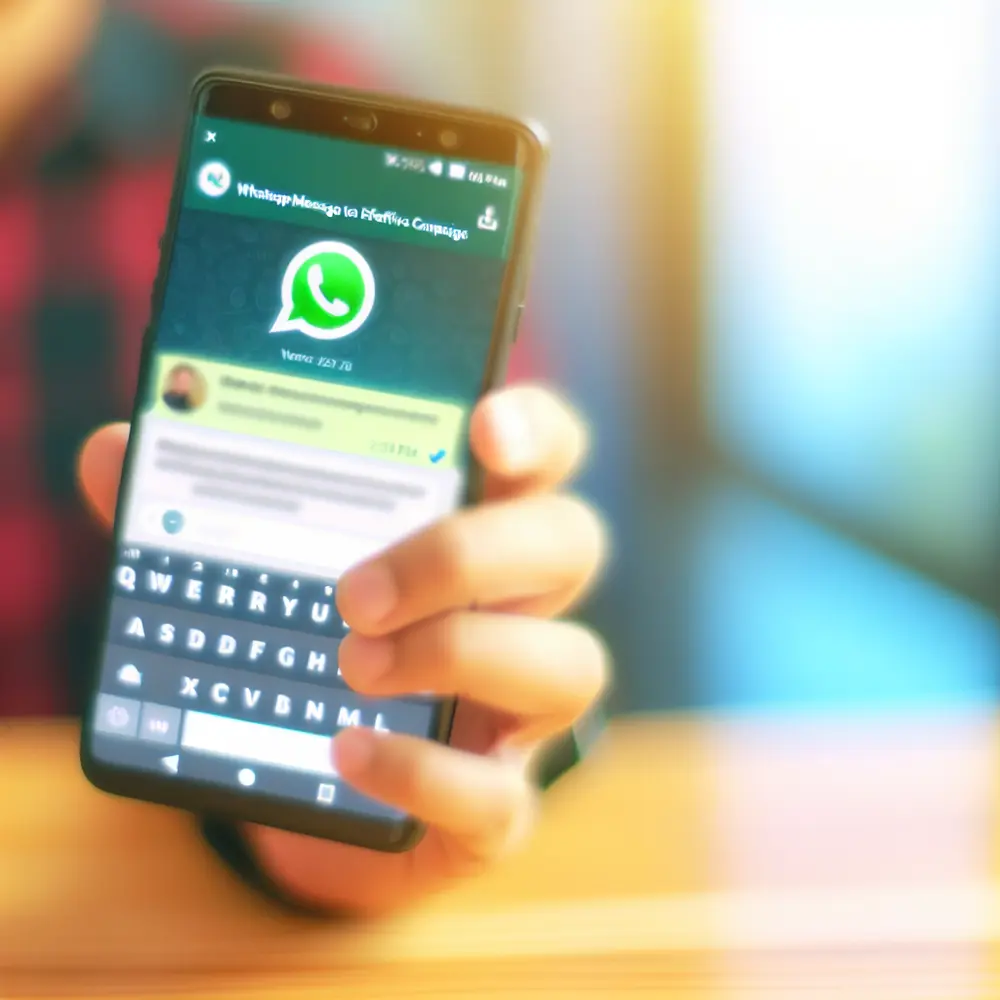
The WhatsApp CRM message sender allows you to send automated and personalized messages. This approach optimizes bulk messaging with your customers and leads. By integrating CRM data, you personalize contact and increase engagement.
For example, Clínica Saúde e Vida implemented a messaging system and achieved a 25% increase in appointment booking rates in just three months. With these personalized messages, communication becomes more effective and results in higher conversion rates.
One of the main benefits of this technology is automation. You can schedule messages to be sent at strategic times or in response to customer actions. This frees your team to focus on creative strategies while communication with customers is handled automatically.
Using the sender, you also transform your campaigns into more segmented actions. This allows you to create specific lists and increase the relevance of messages. This represents a significant competitive advantage in a market where personalization is vital.
Measuring results is another advantage. You obtain detailed reports on campaign performance with the CRM. For instance, Transportadora Prime analyzed its campaigns and adjusted strategies, leading to a 30% increase in customer retention rates after six months.
What is a CRM?
A CRM (Customer Relationship Management) is a tool that organizes and analyzes interactions with customers. By utilizing this technology, your company improves customer service, increases loyalty, and optimizes marketing strategies, including WhatsApp campaigns.
Imagine a startup called Innovatech. By implementing a CRM, they managed to increase customer retention by 40% over a year, simply by organizing and analyzing data. This demonstrates how a CRM is essential for the success of modern marketing strategies.
Integrating CRM with WhatsApp
Integrating your CRM with WhatsApp enhances the use of the message sender. This connection offers the opportunity to send bulk, personalized, and segmented communications. You ensure that the messages sent become more impactful.
For example, the sports products store SportFit implemented this integration and observed a 15% increase in monthly sales. The personalized messages sent directly via WhatsApp were crucial for this sales increase.
Benefits of Automation in Campaigns
Automation through CRM and WhatsApp maximizes the efficiency of your campaigns. You can schedule tips, reminders, and promotions, reducing manual workload. This allows your team to focus on actions that truly make a difference.
A practical example is Fábrica de Chocolates Delícias, which, by programming messages for basic tasks, managed to increase the time dedicated to developing new products by 20%. This implementation clearly demonstrates how automation shifts the team’s focus to more strategic areas.
Effective Communication Strategies
To create efficient campaigns, the accuracy of the data stored in the CRM is crucial. This information provides an in-depth view of customer behavior and preferences, allowing for more targeted messaging and significantly improving conversion rates.
For example, the furniture store DecorHome, by utilizing CRM data, sent specific promotions to demographic groups and saw a 35% increase in online sales during the campaign. This segmentation proved to be an assertive and profitable approach.
Conclusion
Using a WhatsApp message sender connected to a CRM transforms communications with customers. This synergy enables more effective and personalized marketing campaigns. Automation and segmentation are essential for building lasting relationships and, consequently, generating more sales.
If you want to increase the impact of your communications, consider integrating a CRM with your WhatsApp. To better understand how this can benefit your business, visit Nexloo.
Advantages of Using the Message Sender in Effective Campaigns
The WhatsApp message sender, coupled with a CRM, radically transforms campaign management. With WhatsApp being a popular platform, brands can connect directly with their customers, creating faster and more personalized communication.
Segment your audience efficiently. Messages can be directed to specific groups, resulting in relevance and better conversion rates. The more segmented your campaigns are, the greater the chances of engagement. For instance, TechStore saw a 50% increase in clicks in segmented campaigns targeted at specific customer groups.
Automation saves time. Marketing professionals can schedule message sends according to customer actions, staying attentive to the customer lifecycle. This optimizes the experience, promoting smooth interactions over time.
Moreover, the reports generated by the CRM are fundamental. With details about campaign performance, it is possible to identify which messages performed better. The aesthetics clinic Belle Femme, by adjusting its strategies based on this data, saw a 25% growth in scheduled consultations after analyzing the campaigns.
Additionally, WhatsApp can be used for more than just promotions. This tool serves to educate customers, answer questions, and gather feedback, resulting in a richer and more complete experience. The service company Fatec used WhatsApp for feedback surveys and increased customer interaction by 30%, demonstrating efficiency in using the channel.
How to Set Up a WhatsApp Message Sender Using a CRM
Setting up a WhatsApp message sender with a CRM can optimize your marketing campaigns. By automating personalized bulk messages, you save time and increase communication efficiency.
Start by integrating your CRM with WhatsApp. Tools like CRM Kanban for WhatsApp offer simplified integration. This is crucial for managing contacts and creating segmented lists for messages. For example, Delivery Garantido, by integrating these platforms, reduced its response time to customers by 20%.
After integration, create contact lists in the CRM. Segment based on behavior, location, and interests. The Farmácia Bem Estar, by utilizing customer segments, saw a 30% increase in interactions from sending specific messages.
Craft your messages using variables for personalization. Clear calls to action are vital. You can use the customer’s name and include links to offers, increasing the likelihood of clicks on the messages.
Finally, set a schedule for sending messages. The CRM allows you to schedule sends at strategic times. This automation ensures interactions occur at ideal moments. With this strategy, the electronics store SmartHome scheduled reminders that resulted in 15% more sales during promotions.
Effective Campaign Strategies with Message Senders
The integration between a message sender and the CRM can transform your marketing campaigns. Professionals can automate the sending of personalized messages, increasing the effectiveness of bulk communications.
Segmenting the audience based on behavioral analysis is an effective strategy. By using CRM data, you identify buying interests and send targeted messages. The clothing boutique FashionTrend, for example, sent personalized promotions and saw impressive engagement, with a 37% increase in sales during the campaign.
Automating responses can enhance the customer experience. With this, you set up automatic replies that trigger based on customer interactions. The finance company RapidLoans used this strategy, resulting in a 25% increase in customer satisfaction among those who interacted through WhatsApp.
Integrating message senders within sales campaigns is vital. With the CRM, create nurturing flows that send sequential messages. The company StartUp Zone used this approach and increased its conversion rates by 35%, keeping leads engaged until closing the sale.
By measuring and analyzing results, you can track metrics like open and click rates. This shows whether your campaigns are performing. The cosmetics company Belleza, by monitoring its campaigns, made real-time adjustments that resulted in a 20% increase in conversions in its last promotion.
Best Practices for Automating Messages on WhatsApp
Automating messages on WhatsApp with a CRM requires following best practices to maximize results. First, segment your contact list based on specific characteristics. This increases the relevance of messages.
Additionally, personalize your messages. Using CRM data to include the recipient’s name or references to previous purchases results in closer communication. The fashion store ChicWear saw its engagement grow by 30% after implementing this type of personalization.
Integrate automation at different stages of the sales pipeline. Automatic messages for list adoption or product reminders are examples. The travel company TravelOn used automated messages that generated a 28% increase in holiday package bookings.
By monitoring message performance, use available metrics in the CRM. Evaluating open and click rates allows for strategic adjustments in real-time. This practice helped the food company NutriDelícias increase its conversions by 15% by adjusting campaigns in response to feedback.
Lastly, be mindful of the frequency of messages to avoid overwhelming customers. A balanced sending calendar maintains a healthy relationship with the customer while keeping engagement high. The nutrition clinic NutriFit adjusted this frequency and achieved a 20% increase in patient satisfaction.
Analyzing Results: Metrics and KPIs for WhatsApp Campaigns
Monitoring metrics and KPIs is essential for analyzing campaign performance on WhatsApp. A WhatsApp CRM message sender allows for precise and efficient measurement of results.
The open rate is a key metric. With a message sender, you can track how many messages were opened. If the rate is low, reviewing content and sending times are important steps. The marketing company Digital Solutions, by adjusting these variables, saw a 25% increase in open rates.
The click rate indicates engagement. The number of interactions with links in messages reveals a lot about interest. Farmácia Mais Saúde, by monitoring this metric, observed an 18% improvement in interactions after optimizing its calls to action.
The conversion rate shows how many people took the desired action after the campaign. Using CRM for WhatsApp facilitates tracking this KPI. The consultancy BusinessNow, by tracking these conversions, achieved a 30% increase in new service subscriptions, solely through well-directed campaigns.
Response metrics are also crucial. Tracking how many interactions occur after sending can provide insights into brand perception. This helps to shape communication projects. The appliance company EasyBuy, by analyzing its response rates, increased the number of customer service interactions by 20% through feedback invitations.
Using these metrics to continuously optimize your campaigns is crucial. Establishing feedback cycles based on data obtained facilitates building more effective long-term marketing strategies.
Challenges and Solutions in Using Message Senders
Using message senders on WhatsApp alongside a CRM presents challenges that marketing and sales professionals must face. A common obstacle is personalizing content. Generic messages result in low engagement rates, requiring effective segmentation in campaigns.
Automation, while offering many benefits, can be complicated. It is essential to understand the functionalities of the CRM and apply strategic planning to avoid excessive message sending. The beauty products company Glamour faced this challenge and, with careful planning, improved engagement and reduced complaints.
Consistency in communication is vital. Confusing or inconsistent messages can harm brand image. Maintaining a campaign calendar helps ensure that all interactions align with the brand identity. The consultancy company ReSmart, by adopting this approach, saw an increase in credibility among its clients.
Furthermore, compliance with privacy regulations, such as LGPD, is fundamental. Obtaining explicit consent from users before sending messages is crucial. Ignoring this can lead to legal and reputational issues, as the company InfoSolutions learned after an incident. Its decision to comply with the laws resulted in greater customer trust.
Lastly, analyzing results requires analytical tools to evaluate metrics like open and click rates. The company SpeedyMail uses this approach to ensure its campaigns are always aligned with consumer expectations.
Case Study: Companies That Transformed Their Sales with Message Senders
Several companies have revolutionized their sales and marketing strategies by using WhatsApp message senders integrated with a CRM. These cases demonstrate a significant increase in conversion rates and customer engagement.
Company XYZ implemented a message sender to communicate promotions directly to customers. Before automation, communication was manual, resulting in low productivity. With CRM integration, the team began sending personalized messages, increasing sales by up to 30% in the first months.
Company ABC segmented its contact base and created targeted campaigns. This resulted in a 50% increase in click rates and notable engagement on social media. Personalization through the CRM was key to this success.
Company DEF launched a re-engagement campaign with automated messages to inactive customers. This effort not only recovered customers but also boosted sales by 20%, highlighting the effectiveness of the message sender.
Company GHI personalized messages based on previous purchases, resulting in increased customer retention. This approach reduces cart abandonment rates, demonstrating that targeted campaigns generate extraordinary results.
These examples show that the WhatsApp CRM message sender is a true game-changer. Companies adopting this strategy not only improve their relationships with customers but also boost their sales. To integrate this automation into your business, explore CRM Kanban for WhatsApp here.
The Future of Marketing with WhatsApp Message Senders
The use of message senders on WhatsApp, combined with a CRM, completely reshapes marketing practices. Their results are increasingly clear by providing a direct channel for interactions with the audience.
Effective campaigns via WhatsApp have the potential to reach a wide audience quickly. Automated messages allow companies to communicate promotions and news swiftly. Additionally, a CRM offers real-time tracking of interactions, adjusting strategies as needed.
Automation not only saves time but also ensures consistent communication. You can schedule sends based on customer actions. This results in significantly better conversion rates. The food company SuperBite saw a 40% increase in sales by implementing this automation.
Companies can also adopt a proactive approach to customer service. This enhances the consumer experience and reinforces the brand’s image as accessible and attentive.
By integrating a WhatsApp message sender aligned with a CRM, you create an essential strategy for engaging and retaining customers. This combination brings efficiency and opportunities to create meaningful and lasting relationships. Integrating these practices into your business model is undoubtedly a definitive step toward success.