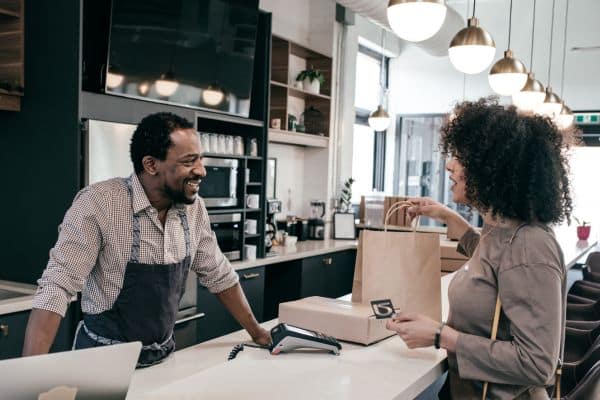
In the dynamic world of retail, where customer experience is the most significant competitive differentiator, adopting an omnichannel strategy has become a necessity.
This approach integrates various customer service and sales channels, providing a consistent and seamless experience for consumers.
Are we ready to sell and serve better together? In a constantly changing market, the power of omnichannel strategy for retail is undeniable, bringing advantages such as increased sales, customer loyalty, and broader market reach.
In this article, we will deeply explore the benefits of this strategy, illustrating with real cases from companies that have successfully implemented it.
Additionally, we will show how Nexloo can be a strategic partner for retailers looking to achieve impressive results with this approach.
What is an Omnichannel Strategy?
An omnichannel strategy consists of integrating all channels of a company—whether physical, digital, or hybrid—to offer a uniform experience to the customer.
This means that the consumer can start their journey in one channel, such as a physical store, and complete it in another, like an e-commerce site, without any discontinuity.
This approach goes beyond simply being present on multiple channels. It ensures that they communicate with one another and share information in real-time, allowing customers to feel valued and understood at any touchpoint. Check out our content on omnichannel.
Benefits for Consumers and Businesses
For consumers, an omnichannel strategy offers convenience, time savings, and a more personalized experience. For businesses, the benefits include increased customer satisfaction, higher conversion rates, and deeper insights into consumer behavior.
Examples of Omnichannel Integration in Retail
Companies like Magazine Luiza and Starbucks are clear examples of how an omnichannel strategy can be successfully implemented. Magazine Luiza, for instance, integrated its physical stores, e-commerce, and app, allowing customers to choose how they prefer to buy and receive their products. This approach boosted their sales and strengthened their market presence.
Key Advantages of Omnichannel Strategy for Retail
1. Increased Sales and Average Ticket Size
Studies show that consumers who use more than one channel to purchase spend, on average, 30% more than those who use only one. This occurs because the integration of channels offers more engagement and sales opportunities.
For example, Sephora, a giant in the beauty industry, uses its omnichannel strategy to offer interactive experiences in its physical and digital stores. Customers can virtually try products through the app and then purchase them in-store, significantly increasing the average ticket size.
2. Better Understanding of the Customer
With a well-structured omnichannel strategy, it is possible to gather data from different touchpoints, creating a complete profile of each customer. This allows for more assertive and personalized campaigns, increasing conversion chances.
An example is Nike, which uses its NikePlus platform to collect customer data across different channels. With this, the brand can offer personalized recommendations and create experiences that truly meet consumer needs.
3. Customer Loyalty
When consumers perceive that a brand values their time and offers a frictionless experience, they tend to return. Integrated loyalty programs across channels, such as Starbucks Rewards, are clear examples of how this can be achieved. Check out our content on Digital Omnichannel Service.
Customers earn points regardless of where they shop and can redeem them at any channel.
How to Implement an Omnichannel Strategy in Retail
1. Technology Integration
The foundation of a successful omnichannel strategy is technology. Platforms like ERPs, CRMs, and marketing automation tools must be integrated so that all channels share information in real-time.
Amazon is a notable example in this regard. Its system integration ensures that customers can start a purchase on the website, finish it on the app, and track delivery in real-time.
Are we ready to sell and serve better together? ### 2. Team Training
Having the right technology is not enough; it is essential that teams are trained to use it effectively. This includes everyone from agents in physical stores to online support professionals, who must work collaboratively.
The supermarket chain Walmart continuously invests in training its employees to ensure an excellent omnichannel experience. This includes using internal apps that connect different store sectors.
3. Focus on Customer Experience
The entire strategy must be customer-centric. This means understanding their preferences, tracking their buying journey, and eliminating any friction points. Check out our content on how the Omnichannel Platform Increases Efficiency.
For example, Zara has implemented digital fitting rooms in some of its stores, allowing customers to see how clothes would look before trying them on physically. This reduces queues and improves the shopping experience.
Success Stories: Companies That Mastered Omnichannel
Starbucks: Simplicity as Strategy
The Starbucks Rewards app is an iconic example of how to integrate physical and digital channels. Customers can place orders through the app, earn points, and pick them up at any store without waiting in line. As a result, the company has seen a significant increase in customer loyalty and repeat sales.
Magazine Luiza: Transforming the Consumer Experience
With a robust omnichannel strategy, Magazine Luiza allows customers to shop online and either pick up in-store or have items delivered at home. This flexibility has boosted sales and solidified the brand as one of the leaders in Brazilian retail.
Nike: Personalization at Scale
With the NikePlus platform, the brand collects data from millions of consumers to offer highly personalized experiences. Whether through the app, physical store, or e-commerce, Nike guarantees an integrated and unique experience.
Nexloo: The Ideal Solution for Omnichannel Retail
Nexloo offers comprehensive technological solutions for retailers looking to implement an omnichannel strategy efficiently. With integrated platforms like CRMs and management systems, Nexloo enables:
- Channel Integration: connect your physical store, e-commerce, and social media in one place.
- Marketing Automation: personalize campaigns and engage your customers at all touchpoints. Check out our content on how to Create an Omnichannel Strategy? Concept.
- Real-time Analytics: make decisions based on accurate and up-to-date data.
With Nexloo, companies of all sizes can compete on equal footing with large brands, offering omnichannel experiences that delight and retain customers.
Conclusion
The omnichannel strategy is not just a trend; it is a necessity for retailers who want to stand out in an increasingly competitive market. Integrating channels, understanding the customer, and providing frictionless experiences are the pillars of this powerful approach.
With examples from companies like Starbucks, Magazine Luiza, and Nike, it is clear that investing in omnichannel brings concrete and lasting results.
And for retailers looking to implement this strategy effectively, Nexloo emerges as the ideal partner, offering technological solutions that truly make a difference.
Are we ready to sell and serve better together? No matter the size of your business, the time to embrace the power of omnichannel strategy is now. Transform your operation, delight your customers, and reach new heights in retail.