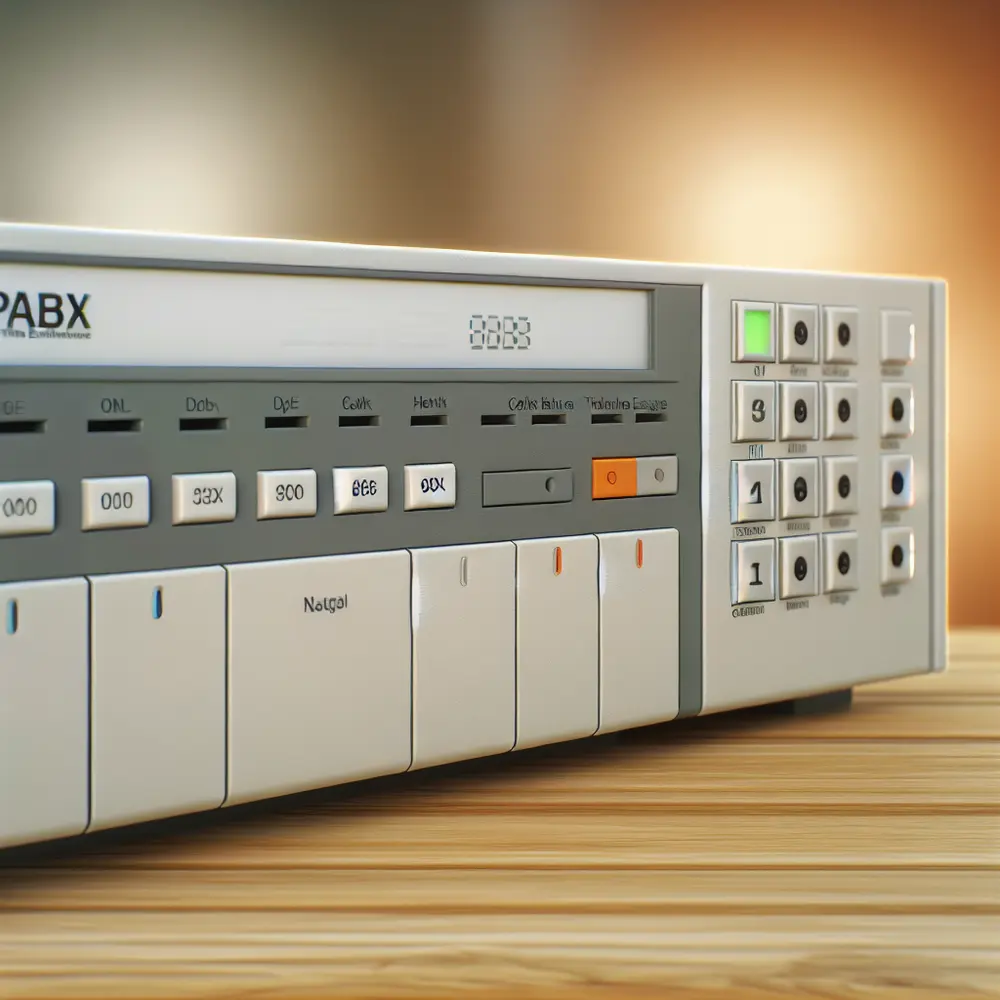
In a world where effective communication is vital for business success, PABX phone systems have become essential tools for optimizing both internal and external interactions. These solutions not only manage calls efficiently but also offer a range of advanced features that can transform how a company communicates. From small startups to large corporations, every organization can benefit from strategically implemented well-designed PABX systems.
Imagine an environment where calls are not congested, employees have access to personalized extensions, and interactions with customers are smooth and efficient. Choosing the right phone system can drastically impact productivity and customer satisfaction. As the digital world advances, outdated systems are giving way to new technologies that promise lower costs and better communication management.
This article delves into what a PABX system is, its evolution over time, its advantages, the differences between various types of PABX, and how to properly choose and implement a solution that meets your business’s specific needs. Stay with us to discover how this system can not only facilitate communication but also enhance your company’s image and operational efficiency.
What is a PABX Phone System?
A PABX phone system, which stands for “Private Automatic Branch Exchange,” is a system that manages telephone communications within an organization, facilitating connections between internal and external lines. PABX systems are installed in companies of various sizes, from small businesses to large corporations, and their primary function is to optimize call management and improve customer service efficiency.
One of the most notable features of a PABX system is its ability to handle multiple calls simultaneously, preventing phone lines from becoming congested. This translates into better customer service, as users can communicate without interruptions. Additionally, these systems allow for the configuration of different extensions for employees, facilitating internal communication and organization of contacts.
Contemporary PABX systems typically offer advanced functionalities including voicemail, conferencing, call forwarding, and call recording. These features not only enhance the user experience but also provide valuable tools for business management and performance analysis. With the integration of VoIP (Voice over Internet Protocol) technologies, PABX systems have evolved into more flexible and scalable solutions, enabling calls to be made over the Internet, which can result in significant cost savings.
When considering the implementation of a PABX system, it is essential to evaluate the specific communication needs of the organization, as well as the available resources. The choice between a conventional system and one based on IP will depend on factors such as the company’s size, call volume, and the need for a system that can adapt to future growth. In summary, a PABX phone system is not just a communication tool, but an investment that can transform the operational effectiveness of any business.
The Evolution of PABX Phone Systems
The PABX phone system has come a long way since its inception, evolving into a fundamental tool in business communication. Its history begins in the 1880s, when the first electric telephone systems were developed. However, the real evolution of PABX began in the 1960s when analog technology allowed companies to control their own telephone lines, thus facilitating the management of internal and external calls.
With the advancement of digital technology in the 1980s and 1990s, PABX underwent a significant transformation. The introduction of digital technology allowed for greater capacity, better sound quality, and additional functionalities such as call recording and conferencing. This type of technology enabled companies to optimize their communication processes and enhance customer experience. Digital PABX systems successfully combined the flexibility of analog systems with the efficiency of digital technology.
In the 2000s, with the rise of the Internet and the spread of VoIP, PABX phone systems began to incorporate new functionalities that leveraged this new digital era. IP-based PABX systems allowed companies to make calls over the Internet, significantly reducing operational costs and increasing mobility, as calls could be made from anywhere in the world. This transition also meant that companies could integrate their phone systems with other digital tools, such as CRM and marketing platforms.
Today, PABX has evolved even further into cloud-based solutions, where physical hardware can be replaced by a system hosted in the cloud. This has allowed companies to scale their operations more cost-effectively, easily adjust their capabilities, and continuously access updates and new features. The evolution of PABX reflects not only technological advancements but also the changing communication needs of modern businesses seeking to adapt to a highly competitive and connected environment.
Advantages of Using a PABX Phone System
Using a PABX phone system offers numerous advantages for companies looking to optimize their internal and external communication. One of the main advantages is cost reduction. PABX systems allow for free internal calls and offer cheaper rates for external calls, which can lead to significant savings on monthly phone bills.
Additionally, the PABX phone system provides greater flexibility. Companies can easily add or remove extensions, which is ideal for those experiencing changes in personnel or communication needs. This ability to quickly adapt to changing circumstances is crucial in a dynamic business environment.
Another notable advantage is the integration of advanced features. Modern PABX systems come with a variety of useful functionalities, such as voicemail, conference calling, speed dialing, and intelligent call routing. These features not only improve communication efficiency but also contribute to better customer service by allowing calls to be directed to the appropriate department or person quickly and effectively.
Last but not least, implementing a PABX phone system can enhance the company’s image. Having a professional phone system that allows, for example, handling multiple calls simultaneously and offers hold music reinforces the perception of a well-structured and professional organization. This positive image can influence customers’ decisions when choosing between different product or service providers. In summary, the advantages of using a PABX phone system are evident and essential for any company looking to improve its communication and operational efficiency.
Differences Between Analog, Digital, and VoIP PABX
PABX phone systems have evolved significantly over time, and it is essential to understand the differences between the three main categories: analog, digital, and VoIP (Voice over Internet Protocol). Each of these systems presents unique characteristics that cater to different communication needs in businesses and homes.
The analog PABX is the oldest and most traditional system, which relies on physical telephone circuits to transmit voice. This type of system tends to be simpler in installation and operation, making it accessible for many small businesses. However, its limitation lies in the number of lines and extensions that can be handled, along with the need for a more robust telephone infrastructure, and it can be more costly in terms of long-term maintenance.
On the other hand, the digital PABX represents a significant improvement over its analog counterpart. It uses digital signals to transmit information, allowing for a greater range of functions such as voicemail, call forwarding, and conferencing. Its installation may require more technical knowledge, but it generally offers superior sound quality and greater efficiency in handling calls. This system is better suited for growing companies that require their telephone infrastructure to evolve alongside them.
Finally, VoIP PABX has become the most popular and modern option. This system uses the Internet to make and receive calls, which reduces costs and increases flexibility. Companies can leverage their existing network infrastructure to implement this system without the need for a large investment in additional hardware. Moreover, VoIP PABX allows for the integration of multiple communication tools such as video conferencing, chat, and collaboration tools, thereby facilitating remote work and team communication. However, it is important to have a good Internet connection to ensure call quality.
How to Choose the Right PABX Phone System for Your Business
Choosing the right PABX phone system for your business is a crucial decision that can directly influence the efficiency of internal and external communication. There are multiple factors to consider when selecting the most suitable option for your specific needs. Among the most relevant aspects are the size of your company, the volume of calls you handle, and the functionalities you wish to implement.
First, it is essential to evaluate the capacity of the phone system. Larger companies or those expecting a significant increase in call volume should opt for systems that can scale as needed. When choosing a PABX, make sure it has the capability to add phone lines without complications, as well as modules that offer additional features such as call recording, conferencing, or call forwarding. Evaluating your business’s future growth will help you make a more informed decision.
Additionally, consider whether you prefer a traditional PABX system that requires physical hardware and ongoing maintenance, or a VoIP solution that operates through an Internet connection. VoIP solutions generally offer greater flexibility, reduce operational costs, and allow for easier integration with other digital tools. Researching the pros and cons of each system is crucial to meet your needs and your team’s expectations.
Finally, assess the technical support and upgrade options offered by the provider. Good customer service can make a difference in the operation of your phone system. Ensure that the chosen provider has a proven track record of reliability and offers training and support to quickly resolve any technical issues. This way, you can ensure that by choosing your PABX system, you are making a decision that will benefit your business in the long run.
Common Mistakes When Implementing a PABX Phone System
Implementing a PABX phone system can significantly transform communications within a company, but its installation often comes with challenges. One of the most common mistakes is the lack of proper planning. Many organizations underestimate the importance of defining their specific needs before implementing the system. It is essential to conduct a detailed analysis that considers call volume, types of internal and external communications, and necessary functionalities such as call recording, forwarding, and voicemail. Meticulous planning not only facilitates system integration but also ensures that all available features are fully utilized.
Another frequent mistake is not adequately training staff on how to use the new PABX system. Transitioning to a different phone system can be confusing for employees, especially if they are accustomed to a more traditional approach. Providing adequate training is crucial to minimize frustration and lost time. This includes training on system features as well as the availability of accessible technical support to resolve any questions or issues that arise during everyday use.
Compatibility with existing hardware and software is another area where mistakes can occur. Companies often acquire a PABX system without verifying whether their current devices and applications are compatible. This can result not only in additional costs but also in suboptimal system performance. It is recommended to conduct compatibility tests and consider hardware upgrades or replacements that enhance performance and integration with the PABX.
Finally, failing to establish a preventive maintenance plan is a mistake that can have long-term negative consequences. A PABX system requires regular maintenance to ensure optimal operation. Ignoring this aspect can lead to unexpected and costly downtime. Business owners should create a maintenance schedule and update system software to fix bugs and improve security. By avoiding these common mistakes, organizations can maximize the efficiency and effectiveness of their PABX phone system, contributing to smoother and more productive communication.
The Future of PABX Phone Systems
The future of PABX phone systems is filled with opportunities and challenges, driven by technological innovations and the evolution of communication needs in businesses. Current trends indicate a shift toward virtualization, where cloud-based PABX systems are gaining popularity over traditional solutions. This approach not only reduces operational costs but also offers flexibility and scalability, allowing companies to quickly adjust to changing market demands.
The integration of artificial intelligence into PABX systems is another significant trend. With this technology, aspects such as customer service automation and call management can be improved. Bots can receive and route calls, allowing employees to focus on more complex tasks. Additionally, advanced data analytics systems can provide valuable insights into customer behavior and preferences, helping companies adjust their marketing and sales strategies more effectively.
Interoperability with other digital tools, such as CRM and collaboration platforms, is also shaping the future of phone systems. The ability to integrate multiple communication tools into a single platform facilitates more efficient management of customer interactions. This approach ensures that information flows smoothly between different departments, enhancing customer experience and boosting employee productivity.
Furthermore, security is becoming an increasingly crucial aspect of PABX telephony. As companies adopt cloud solutions, they face cybersecurity risks that can compromise sensitive information. Therefore, future PABX systems must incorporate robust security measures, such as data encryption and multi-factor authentication, to protect the confidentiality and integrity of communications. This proactive approach to security is vital not only for protecting data but also for building trust with customers and business partners.
Conclusion
The evolution of communication technology has allowed PABX phone systems to become essential tools for businesses of all sizes. These systems not only manage internal and external calls efficiently but also offer a variety of advanced functions that enhance productivity and communication. Among their most notable features are call management capabilities, process automation, and integrations with software platforms, giving companies a competitive edge in today’s work environment.
One of the main benefits of PABX phone systems is their flexibility and scalability. As a business grows, it is crucial to have a system that adapts to its needs without requiring significant investments in infrastructure. Modern PABX solutions allow for the addition of new extensions and functionalities without complications, facilitating business expansion without disrupting communication continuity. Additionally, integration with digital marketing tools increases their potential, enabling direct management of call campaigns and optimizing communication with customers.
Implementing a PABX phone system also contributes to improving customer service. Thanks to features such as call forwarding, interactive menus, and the ability to record conversations, companies can provide more efficient and personalized service. This translates into greater customer satisfaction and, consequently, customer loyalty, which becomes an important asset for any business’s growth.
Finally, the importance of having a PABX phone system in a company’s communication strategy should not be underestimated. In an increasingly interconnected world, the quality of communications can make the difference between success and failure. PABX systems not only optimize internal and external communication but are also a key component in building strong relationships with customers. Therefore, investing in a good phone system is a strategic decision that can have a significant impact on a company’s long-term results. You can learn more about CRM here.