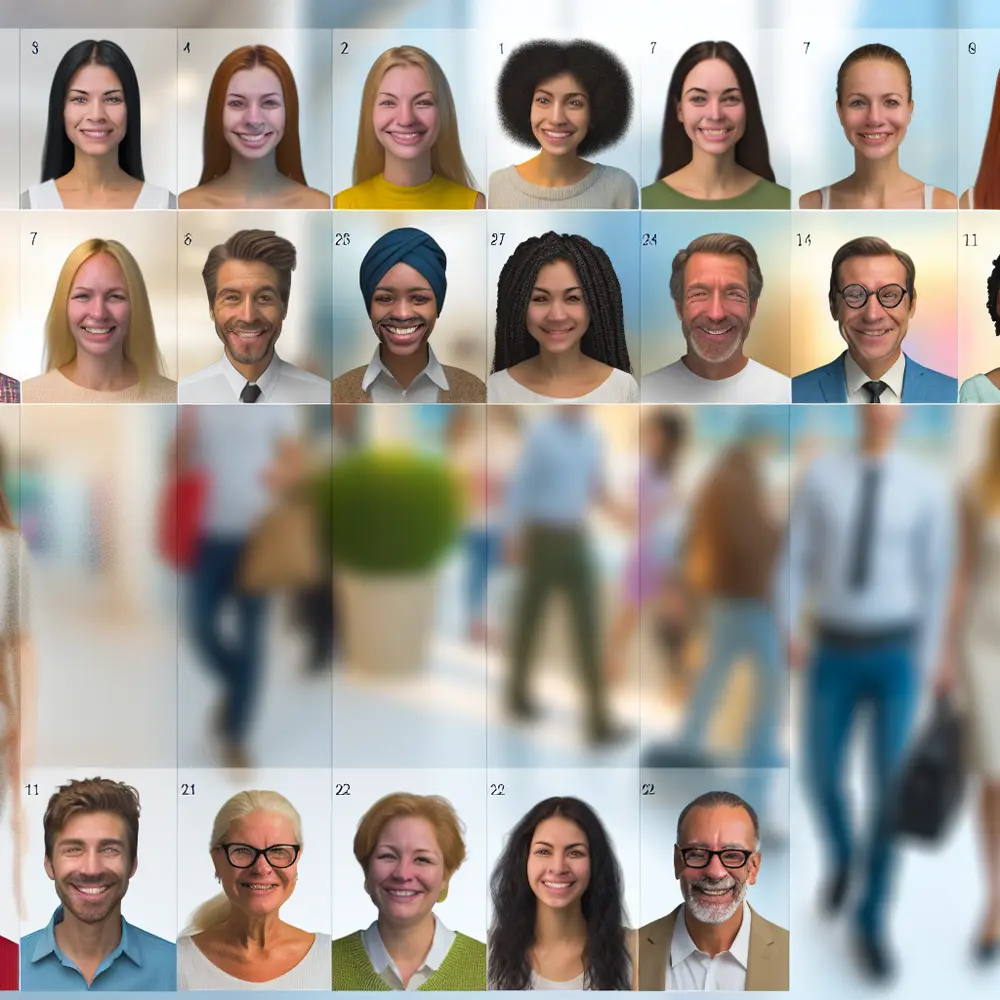
Understanding customers in hospitality is crucial for delivering memorable experiences. Each customer has unique needs that, when identified, allow hoteliers to tailor their services and exceed expectations. Often, a hotel’s success hinges on its ability to personalize service according to different guest profiles.
As the industry evolves, hospitality professionals face the challenge of adjusting their offerings to an increasingly diverse audience. Identifying the characteristics of each customer type and adapting services is key to increasing satisfaction and loyalty. From business travelers to families seeking relaxation, each segmentation contributes to a better experience.
Moreover, technological tools, such as the WhatsApp Bulk Messaging, promise to revolutionize communication with guests. This type of innovation enhances connection and allows for more agile follow-ups, ensuring that each customer receives the attention they expect. In this context, we will delve into the customer segment in hospitality.
Introduction to Customers in Hospitality
Hospitality begins with a deep understanding of customers in hospitality. Each customer possesses unique characteristics that influence their experience. Recognizing these types enables hoteliers to tailor their service and exceed expectations, creating a highly personalized and satisfying environment.
For example, the hotel chain “Elegant Suites” used a segmentation approach to better understand its customers. By identifying that leisure tourists sought relaxation while business travelers prioritized efficiency, they increased satisfaction by 30% by adapting their services to each group.
There are various types of customers in hospitality, ranging from leisure tourists to business travelers. Therefore, segmenting customers is crucial to offering better service that addresses their specific needs.
Customers can also be classified based on their budget. Luxury travelers value exclusivity and premium services, while budget tourists prioritize affordability. Understanding these differences helps hoteliers adjust their offerings and ensure that each customer receives the desired value within their price range.
Additionally, the length of stay influences the customer experience. “Ocean Hotel” implemented measures to enhance service for long-stay guests, resulting in a 20% reduction in complaints about basic services, significantly optimizing customer satisfaction.
The 24 Types of Customers in Hospitality
Each customer in hospitality presents unique characteristics that require a distinctive approach to provide the best service. Recognizing and understanding these types is key to delivering memorable and personalized experiences.
1. The Business Customer
This customer travels for work purposes. They value fast connectivity and services like printers and meeting rooms. The “Business Plus” chain improved satisfaction by 25% by offering express breakfast and exclusive services for these guests.
2. The Family Tourist
Families seek comfort and activities for children. The “Happy Family Resort” increased bookings by 30% by providing spacious rooms and an engaging kids’ club.
3. The Solo Traveler
Solo travelers appreciate socialization options. “Yolo Hostel” fostered interaction through trivia nights, resulting in a 15% improvement in overall satisfaction.
4. The VIP Customer
This customer has high expectations. By offering personalized services like concierge, “Elite Hotel” retained this segment, increasing their return rate by 40%.
5. The Adventure Customer
Providing guides and excursions can enhance their experience. “Adventure Resort” increased customer volume by 20% by offering outdoor activities.
How to Identify the Needs of Each Customer Type
Identifying the needs of different customer types in hospitality is essential for providing better service. Customers have diverse expectations, and understanding these differences will help personalize their experience. Therefore, the first step is to segment customers based on their motivations and characteristics.
The “Events and Meetings” chain focused on offering packages designed for business travelers, resulting in a 20% increase in bookings during fairs and events.
These travelers require efficiency and speed. Therefore, offering special packages that include services like express check-in can be an effective way to meet their expectations.
Best Practices for Providing Exceptional Service
Knowing the types of customers that frequent a hotel is key. There are business travelers who prioritize efficiency, while families may seek comfort. Providing exceptional service begins with an in-depth analysis of the guests.
“Always Green Hotel” satisfied the demand of tech-savvy travelers by implementing data analysis to personalize service, increasing satisfaction by 30%.
Service Personalization: Key to Customer Experience
Service personalization is crucial for meeting the diverse needs of customers in hospitality. This approach allows hoteliers to create unique experiences, adapting to different types of guests.
“Comfort Hotel” employed surveys before and during the stay to adjust the customer experience, increasing their satisfaction score by 35%.
Complaint Management and Problem Resolution
Complaint management is crucial for providing the best service to customers in hospitality. An appropriate and timely response can turn a negative experience into an opportunity to retain the customer.
“Sunset Paradise Hotel” implemented a direct communication channel, using WhatsApp to handle complaints, thus reducing response time by 50% and improving their image.
Technology Serving Customers: Innovations in Hospitality
Digital transformation has revolutionized the hospitality sector, providing innovative tools. Property management systems (PMS) allow for real-time reservation and room control management.
The “Agile Chain” integrated chatbots to improve customer service, increasing the instant resolution rate by 40%.
Success Stories: How to Improve Service Based on Customer Types
Understanding customers in hospitality and their different types is crucial for providing exceptional service. “Family Hotel” implemented segmented strategies, increasing their return rate by 30%.
Conclusions and Final Recommendations
Customer service in hospitality is a crucial element. Training teams to recognize preferences and expectations, implementing an effective communication system like WhatsApp Bulk Messaging, and adapting offerings to the needs of each group can make a difference in overall satisfaction. Hoteliers must continuously evaluate their practices, always seeking to improve the experience they offer.
For more information on WhatsApp Bulk Messaging, visit Nexloo.