You face challenges in managing your company’s purchases? Finding ways to optimize processes is a common pain point for managers. The workflow often gets lost in confusing stages, leading to delays and inefficiencies.
Let’s sell and serve better together? A well-structured purchase process flowchart stands out as an effective solution. It allows you to visualize each stage of the process clearly, helping to identify bottlenecks and improve communication among teams.
In this article, you will discover how implementing a flowchart can transform your operations. We will explore benefits, practical creation tips, and essential tools to ensure efficient and organized management.
Introduction to Purchase Process Flowchart
“Implementing a flowchart not only simplified our purchasing process but also improved collaboration among teams.” – João Silva, Purchasing Manager
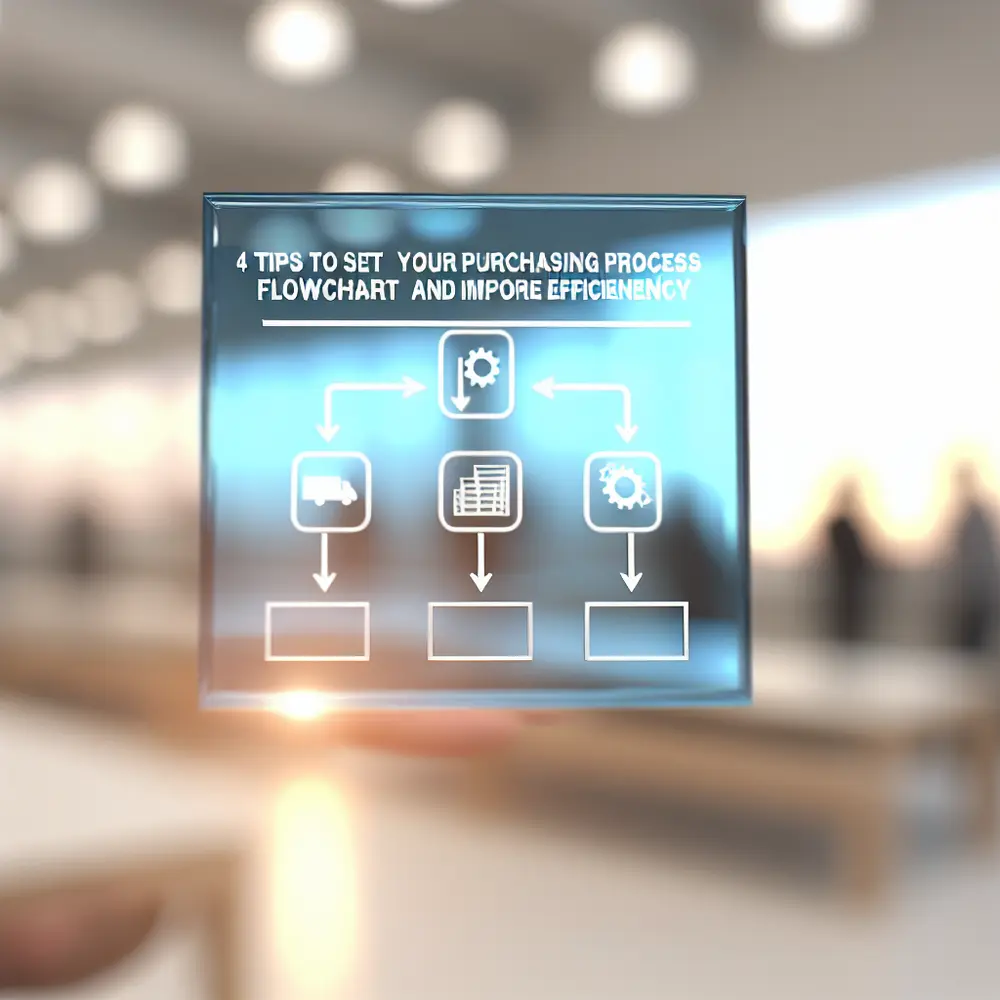
The purchase process flowchart is an essential visual tool that helps map and understand each step of the acquisition process within an organization. By visualizing the stages clearly and structurally, you can identify failures and opportunities for improvement.
Creating a flowchart should be an exercise in organization. By diagramming each phase—from the initial request to the delivery of the product or service—everyone involved can have a detailed view of the purchasing pathway. This minimizes errors and rework.
A well-crafted flowchart promotes optimization. With information presented clearly, it becomes easier to eliminate redundancies. This optimization improves the speed of acquisitions and contributes to effective financial management, resulting in lower costs.
Implementing a flowchart also facilitates integration between areas that influence purchasing decisions. Departments like finance and logistics impact operations, and a shared flowchart fosters common understanding and collaboration.
In addition to improving efficiency, the flowchart aids in communication. You ensure that everyone understands the stages and the sequence of necessary actions, allowing you to anticipate needs and effectively plan supply strategies. For this, using tools like the omnichannel strategy can be essential. Check out our content on nexloo. Check out our content on nexloo.
The Benefits of Organizing and Optimizing Purchase Processes
“After implementing the flowchart, we reduced processing time by 30%.” – Maria Fernanda, Operations Coordinator
Building a flowchart offers significant benefits. A structured flowchart provides efficiency and organization—key aspects for companies looking to enhance their purchasing performance.
- Time and effort reduction
- Identification of bottlenecks and failures
- Standardization of procedures
- Ease in training new members
One of the main benefits is the reduction of time and effort. Clear flowcharts help your team quickly understand the phases and responsibilities, minimizing delays. By identifying each step, you ensure tasks are completed within established deadlines.
Process optimization allows you to identify bottlenecks and failures. With a flowchart, you visualize where delays occur and factors impacting efficiency. This analysis generates adjustments that lead to improvements in speed and costs. Investing in automation software like Zapier can be crucial in this process.
The standardization provided by a flowchart ensures everyone follows the same procedures. This reduces the margin of error and increases consistency in acquisitions. Organization becomes more cohesive and directed.
Additionally, an efficient flowchart simplifies the training of new members. With a visual representation, new professionals quickly grasp routines, accelerating the onboarding process and enabling effective contributions.
Practical Tips for Building Your Purchase Process Flowchart
“Team collaboration was fundamental to creating our flowchart. Everyone had a voice in the process.” – Ricardo Almeida, Purchasing Director
Creating a purchase process flowchart is essential for ensuring efficient management. Start by clearly defining the goal of your flowchart. This helps establish the essential steps and how they interconnect.
Involve stakeholders in the flowchart creation. By soliciting feedback, you identify bottlenecks and opportunities for optimization. Collaboration fosters a sense of responsibility and results in more efficient processes. Check out our content on 12 Tips on How to Sell in Retail in 2023 and Increase Your Sales. Check out our content on 12 Tips on How to Sell in Retail in 2023 and Increase Your Sales.
Use standard symbols to represent the stages. Specific shapes for actions, decisions, and documents facilitate understanding and communication of the phases, avoiding misunderstandings.
Consider regularly reviewing and updating your flowchart. Market demands evolve, and it’s vital that your flowchart remains aligned. Hold periodic meetings to ensure it is optimized.
Finally, implement tools that facilitate the visualization and management of the flowchart. Digital platforms like Nexloo assist in organizing and automating processes, making your work more agile.
Tools and Software for Cadence: Maximizing Your Flowchart’s Effectiveness
“Using digital tools transformed the way we visualize our processes.” – Ana Clara, IT Manager
Implementing an efficient flowchart is essential for ensuring the organization of operations. Specialized tools can transform the process. Lucidchart offers an intuitive interface that simplifies the creation of customized diagrams.
Microsoft Visio stands out for its robustness and integration with other applications. Efficiency is maximized as purchase analysis can be easily integrated into the workflow.
Let’s sell and serve better together? The use of Trello as an additional tool organizes the flow. While it’s not a traditional flowchart creator, it allows you to create cards for each stage of the process.
Automation software like Zapier is fundamental. They connect platforms and automate repetitive processes, ensuring information is updated and reducing errors. For a broader and detailed view, consider using an automated billing system. Check out our content on the 10 Key Sales Indicators. Check out our content on best Books on Negotiation.
Investing in platforms like Nexloo can optimize customer service during the purchasing phase, increasing satisfaction and the efficiency of the process.
Case Study: Efficiency in Action
The implementation of a flowchart at XYZ Company transformed its operations. Previously, the process was confusing and time-consuming, resulting in delays and communication difficulties.
“The flowchart was a turning point for our company. Through it, we were able to see and resolve problems that were previously invisible.” – Carlos Eduardo, CEO of XYZ Company
With a flowchart, XYZ visualized all stages, identifying bottlenecks and redundancies. The company reduced total purchasing time by 30%.
The team centralized data in an integrated system. This improved internal communication and ensured everyone had access to real-time information, making decisions quicker.
Automation tools were integrated into the flowchart, allowing for the automation of repetitive tasks. This saved time and minimized errors, positively impacting process quality.
XYZ continuously monitored the performance of the flowchart, adjusting practices as necessary. Efficiency metrics allowed for rapid adaptation to market changes.
Common Mistakes and How to Avoid Them When Creating a Purchase Process Flowchart
An efficient flowchart is crucial, but common mistakes can compromise its effectiveness. It’s important to identify and avoid pitfalls to ensure purchasing efficiency. Check out our content on the Sales Commercial Process. Check out our content on sales goals.
- Lack of clarity in stages
- Omission of important details
- Overdependence on software
- Lack of regular review
Lack of clarity in stages is a recurring mistake. Use simple language and involve stakeholders in building the flowchart to ensure their contributions are integrated.
Omitting important details creates gaps that lead to rework. Conduct a thorough survey of all stages to ensure all necessary information is included.
Avoid overdependence on software. Building the flowchart should be collaborative. Encourage the exchange of ideas before digitizing the document, allowing for critical adjustments that software may not capture.
Establish a routine for reviewing the flowchart. Outdated flowcharts do not reflect changes in the process. Keep up with new market demands to maintain efficiency.
Paths to Sustainable Efficiency
“Creating a flowchart is essential, but keeping it relevant is even more important.” – Patrícia Gomes, Process Analyst
An effective flowchart is a crucial step for organizations seeking efficiency. It facilitates understanding of the process and helps identify bottlenecks.
Involving all stakeholders ensures the flow reflects the team’s reality. Open discussions about the process allow for the exchange of ideas that result in significant improvements.
The flowchart should be a dynamic document. Conducting periodic reviews is essential, as changes may require adjustments in the purchasing process.
Tools that allow for collaborative flowchart creation are differentiators. Nexloo facilitates tracking interactions, promoting fluid communication between teams.
Let’s sell and serve better together? By adopting a flowchart, companies not only organize their activities but also lay the foundation for a culture of continuous improvement, generating lasting results.